Buying a car is one of the biggest financial decisions most people make, yet many buyers rush the process without proper research or planning. A car may look perfect in photos or feel exciting during a test drive, but the wrong decision can lead to expensive repairs, poor resale value, high maintenance costs, and long-term frustration.
At MotorBinz, we regularly speak with buyers who regret purchasing a vehicle too quickly or without expert guidance. Whether you are buying your first car or upgrading to a newer model, avoiding common mistakes can save you money, stress, and future disappointment.
Buying a Car Based Only on Appearance
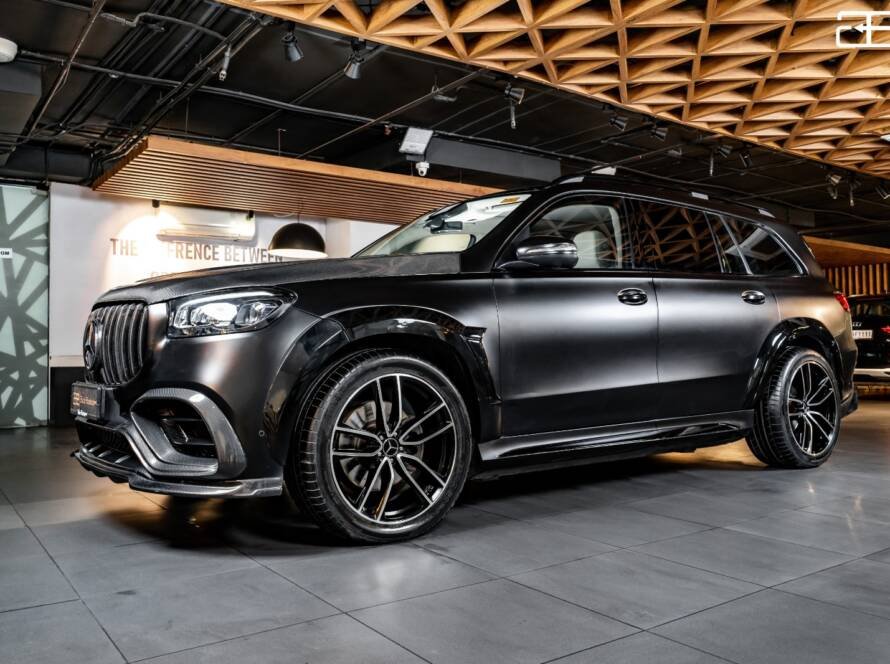
One of the biggest mistakes buyers make is choosing a car mainly because it looks attractive. A stylish design is important, but appearance should never be the main reason behind a purchase. Many visually impressive vehicles may have poor fuel efficiency, expensive maintenance costs, weak resale value, or reliability issues.
A smart buyer focuses on practicality first. Your daily driving needs, budget, passenger capacity, road conditions, and long-term ownership costs matter far more than exterior styling alone.
Ignoring the Total Ownership Cost
Many people only look at the showroom price or monthly installment amount without calculating the real ownership cost. Fuel consumption, maintenance expenses, insurance, registration fees, tire replacement, and spare parts pricing all affect your long-term budget.
Sometimes a cheaper car becomes expensive over time because of poor reliability or costly repairs. Understanding the complete ownership picture helps buyers make financially smarter decisions.
Skipping Professional Vehicle Inspection
This mistake is extremely common in the used car market. A car may appear clean from the outside while hiding major mechanical or accident-related problems underneath. Many buyers trust the seller’s words without proper inspection and later face engine issues, suspension damage, or hidden repair history.
A professional inspection can reveal problems before purchase and help buyers avoid expensive mistakes. This is especially important when buying a used car from private sellers or online marketplaces.
Choosing the Wrong Car for Your Lifestyle
Some buyers purchase vehicles based on trends or social pressure instead of real needs. A sports car may look exciting, but it may not be practical for family use. Similarly, buying a large SUV for city driving may increase fuel costs unnecessarily.
Before buying, ask yourself practical questions. How often will you drive? Do you travel long distances? Do you need luggage space? Is fuel economy important? The right car should match your lifestyle, not just your emotions.
Not Researching Reliability and Resale Value
Every car brand and model has strengths and weaknesses. Some vehicles are known for reliability and strong resale value, while others lose value quickly or develop frequent mechanical issues.
Buyers who skip research often regret their decision later. Checking long-term reliability, maintenance history, customer reviews, and resale performance helps avoid poor investments.
Rushing the Buying Decision
Excitement and pressure often cause buyers to make quick decisions. Some sellers create urgency by saying a deal is available “only today,” pushing buyers to commit without proper comparison or inspection.
A car purchase should never feel rushed. Comparing multiple options, checking ownership history, reviewing service records, and taking time to evaluate the vehicle usually leads to better decisions.
Focusing Only on Monthly Payments
Low monthly installments may sound attractive, but they do not always mean a good deal. Longer financing periods can increase total payment costs significantly. Many buyers end up paying much more than the vehicle’s actual value over time.
Instead of focusing only on installments, buyers should calculate the total amount they will pay throughout the financing period.
Not Taking a Proper Test Drive
A short drive around the block is not enough to understand a car’s condition. Buyers should pay attention to steering response, braking, suspension comfort, engine noise, visibility, and overall driving experience.
A proper test drive can reveal issues that are impossible to notice while the car is parked.
Ignoring Future Maintenance Availability
Some imported or luxury vehicles may look attractive initially but later become difficult to maintain because of limited spare parts availability or high servicing costs.
Before buying, it is important to understand whether parts, service centers, and experienced technicians are easily available in your area.
Buying Without Expert Consultation
Many buyers rely entirely on friends, social media opinions, or dealership sales pitches. While advice from others can help, professional automotive consultation provides objective guidance based on your specific needs and budget.
An expert can help compare options, identify hidden risks, evaluate pricing, and ensure you make a confident decision.
Buying the right car is not just about finding a good-looking vehicle. It is about making a smart long-term decision that fits your lifestyle, budget, and future goals. Avoiding these common car buying mistakes can protect you from unnecessary expenses and ownership stress.
At MotorBinz, we help buyers make informed automotive decisions through expert consultancy, vehicle inspection, comparison guidance, and personalized recommendations. Whether you are considering a brand-new vehicle or exploring used car buying tips, professional support can save you time, money, and frustration.